
44: From the Abyss
What is the world's oldest slice of mantle, and how did it reach the surface?
Today, we'll meet the first tangible piece of the world below the crust, a world humans still have not visited. Along the way, we'll meet an old mineral friend from Season 1, a researcher named Friend, and learn how diamonds can be a geologist's best friend when looking for slices of the mantle.
Extra Credit: Clean your bathtub, or call an old friend.

45: As Above, So Below
What was Earth's mantle like 3.8 billion years ago, and how do we know?
The mantle is a realm that humans have never visited, and examining it is only harder in the ancient past. Fortunately, the mantle sometimes gifts us with beautiful green rocks from the deep, souvenirs of an unknown underworld. Today, we learn how the mantle has changed over time, and its surprising connections to outer space. On the way, we'll meet the father of geochemistry, revisit old asteroid friends, and learn why you should always flour your berries before making a cake.
Extra Credit: Bake some blueberry muffins.

46: Rising From the Ashes
What types of volcanoes were erupting 3.8 billion years ago?
Today, we meet a new type of rock and a new type of volcano, far more powerful and dangerous than those we've met so far. The old volcano is long dead, but the scars it left behind can still be seen across the Greenland landscape. Along the way, we'll learn how different types of lavas are made, why a few rocks can float in water, and learn about a field trip Dylan took to Iceland in 2010.
Extra Credit: Eat a grilled cheese sandwich, blow a bubble in gum, or make campfire.

47: The Limestone Family
Today is a tale of two sisters: limestone and dolomite. Limestone is far more popular and well-behaved, one of the most common stones in nature and in architecture. Dolomite, though similar in many ways, is one of the most difficult rocks to make on Earth. Even dolomite’s name is a bone of contention. Today, we introduce both siblings to the show as we move forward in time, 3.75 billion years ago. Along the way, I’ll give you a real experiment to try in the kitchen and we’ll smash some stones together.
Extra Credit: Try today’s kitchen experiment, find some limestone around you, or get some calcium in your diet (dairy, leafy greens, or tofu).

48: The Impossible Rock
There is a rock that should be incredibly easy to form in theory, but is incredibly difficult to make in reality. Scientists have sat in labs waiting decades for crystals that never grow. The oceans should be full of the same crystals, but not so. Today, we learn about The Dolomite Problem, a paradox that has taken two centuries to crack. In 2023, scientists think they’ve finally found the solution.
Extra Credit: Eat some citrus, find some Epsom salt, or sniff some swamp gas.

49: The Fossil Quest
Many folks have claimed to find Earth's oldest fossils in the Greenland rocks, 3.7 billion years old. Before we meet and judge these contenders, we need to learn what counts as a fossil. This early in Earth history, nothing has any bones or teeth or shells, so researchers need to search for other clues. Today, I'll show you four ways to look for fossils in Earth's oldest rocks, including my personal field of study: fossilized bacteria.
Extra Credit: Find different types of organic carbon in your day, or eat a burger.
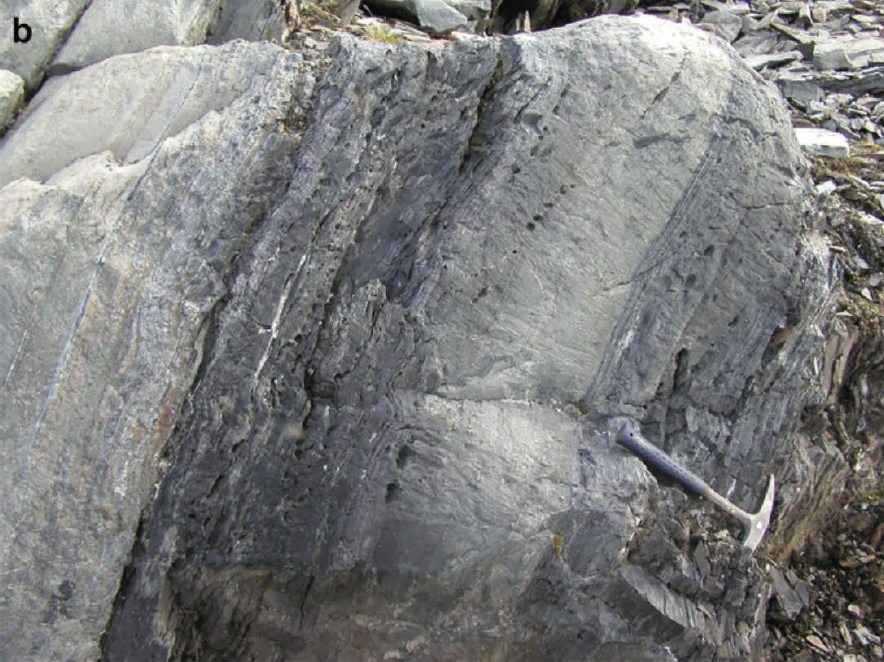
50: The Oldest Evidence for Life?
Finally, 3.7 billion years ago, we reach some of the strongest evidence for life on Earth yet. It takes a while to find, and it only looks like a few dark crystals, but it's better than anything else we've seen so far. Along the way, we'll meet three scientists who helped define the quest for Earth's oldest fossils, including one of my old bosses.
Extra Credit: Sharpen your pencils, spackle some cracks, or thank a mentor in your life.
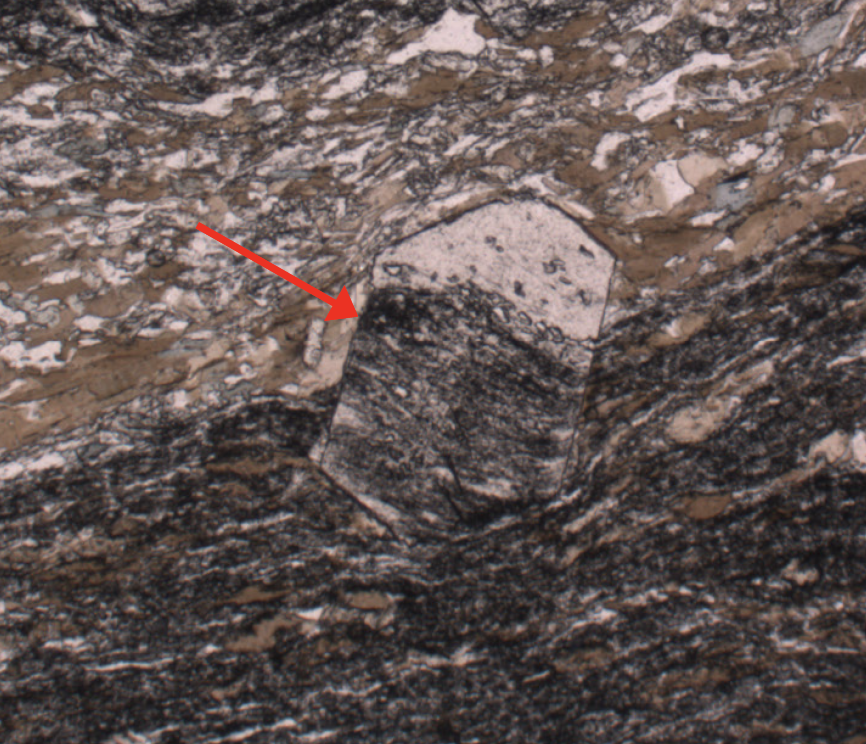
51: The Latest News on the Oldest Life
This episode, we focus on just one special boulder from the Greenland tundra, a rock that might have Earth's oldest fossils. Over the past 10 years, scientists from around the world have used the latest technology to reveal this rock's secrets, including research published this year. What have they found?
Extra Credit: Make a time capsule or play a record.
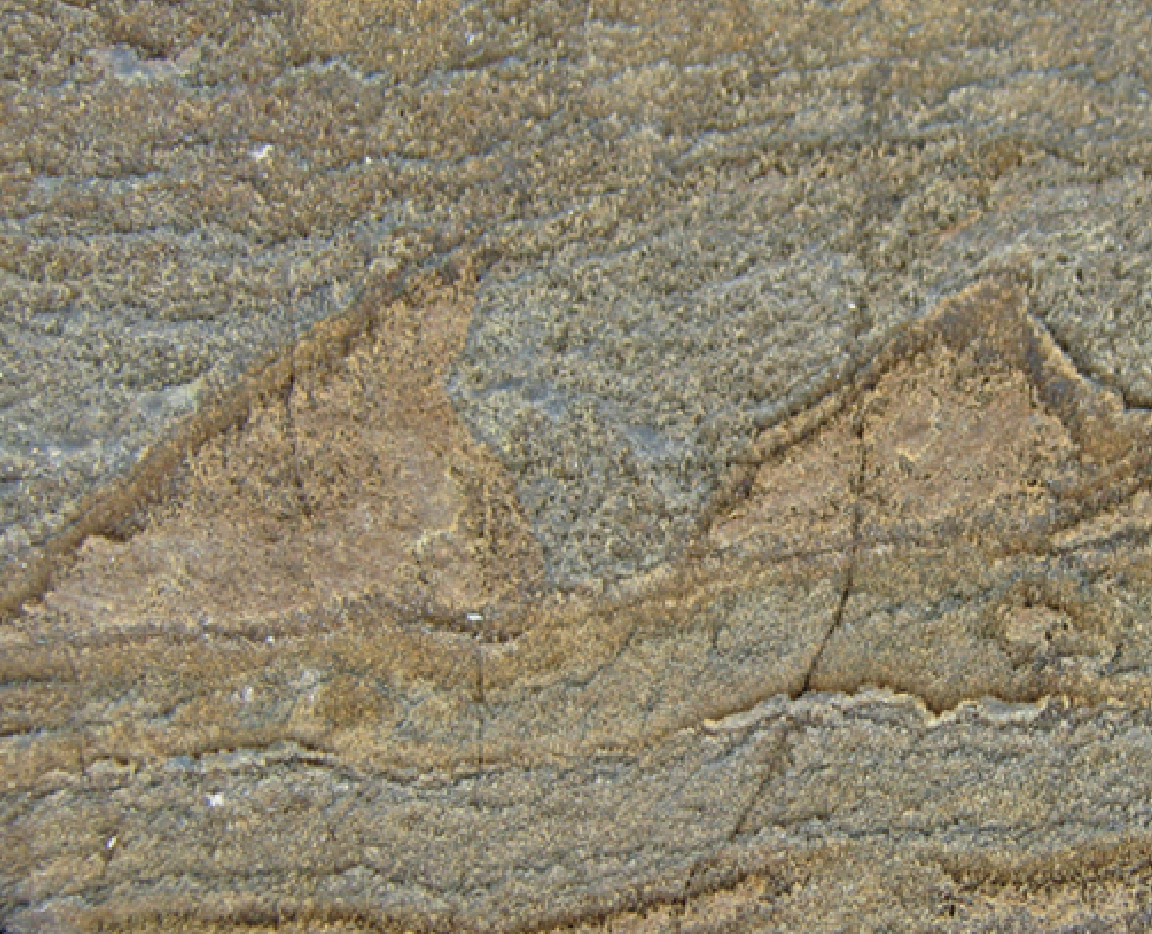
52: The Thing in the Ice
Until now, all the clues for ancient life have been microscopic, beyond the realm of sight. Today, that begins to change. Ten years ago, a team of scientists showed the world a weird, lumpy rock that they claimed was the oldest microbial colony. Like a sci-fi movie, this specimen was found under melting ice in the high Arctic, unveiled from 3.7 billion years ago. But is it actually a fossil? Welcome to the debate that has defined my corner of geology.
Extra Credit: Check your house for hard water damage, or watch The Thing (1982).
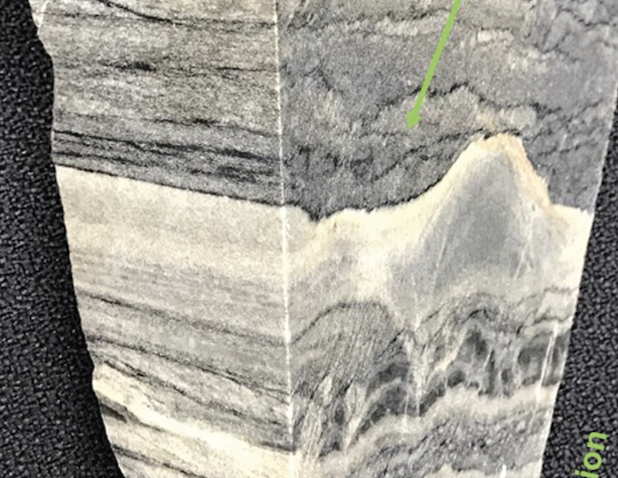
53: The Great Fossil Debate
At long last, we finish the cliffhanger from Episode 52!
Last time, I introduced one of the greatest debates in paleontology and geology. Are a few little triangles on the Greenland tundra Earth's oldest visible fossils, or just some strange rocks? Today, we'll discuss both sides like a court case, laying out a decade of debate. This has been an episode Dylan has waited a long, long time to produce!
54: The End of an Era
We finally end our great Greenland adventure with one final question: how did all these diverse rocks become squeezed together, 3.6 billion years ago? The answer to that question can tell us a lot about how the early Earth worked. According to some folks, plate tectonics was very similar to today. To others, Earth was a very alien world indeed. Along the way, we'll visit trenches off the coast of Japan, and turn our hands into tectonic plates.
55: The Oldest Rock in the USA
Season 2 Finale!
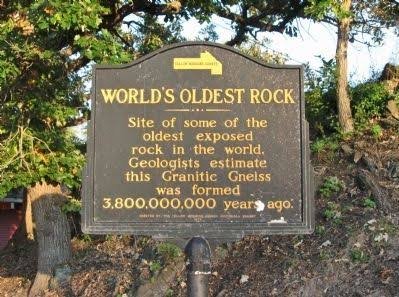
For 50 years, the title of "USA's Oldest Rock" was held on the prairies of western Minnesota. In 2025, that throne was usurped by a brand new study. Where is this "new" ancient location, what rocks are here, and how old are they? Stay tuned to find out!